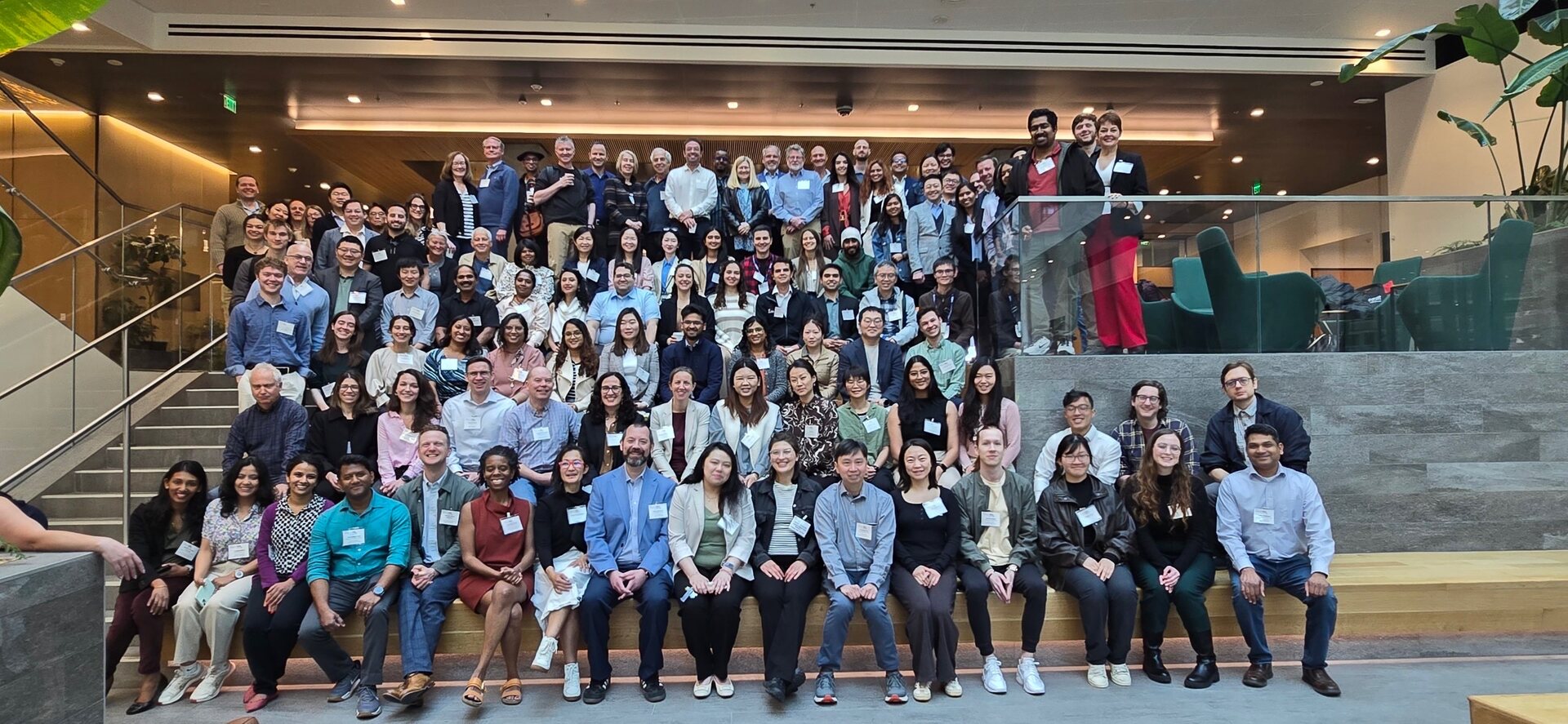
The 2026 RReSTORe Conference was held on Saturday, May 2nd, 2026 at the University of Colorado Anschutz Medical Campus in Denver, Colorado. The meeting drew 129 registrants — 54 faculty members, 47 postdoctoral fellows, 12 graduate students, 10 research associates, and 6 representatives from industry, foundations, and the National Eye Institute.
Twenty-five travel grants were awarded to emerging vision scientists, and four collaborative pilot grants were made to cross-institutional teams. As at every RReSTORe meeting, the program was built around discussion rather than presentation: five parallel break-out sessions ran twice through the day, each returning to a question the consortium has prioritized as critical to the clinical translation of vision restoration therapies.
We are grateful to the Gilbert Family Foundation, The Glaucoma Foundation, Glaucoma Research Foundation, and BrightFocus Foundation, whose support makes these meetings and the travel grant program possible. Particular thanks to Dr. Jeffrey Bennett and the Department of Neurology at the University of Colorado, and to Jerri, Nicole, Melody, and Marianne Kistner, for hosting us.
THE QUESTIONS WE ASKED
Break-Out Sessions
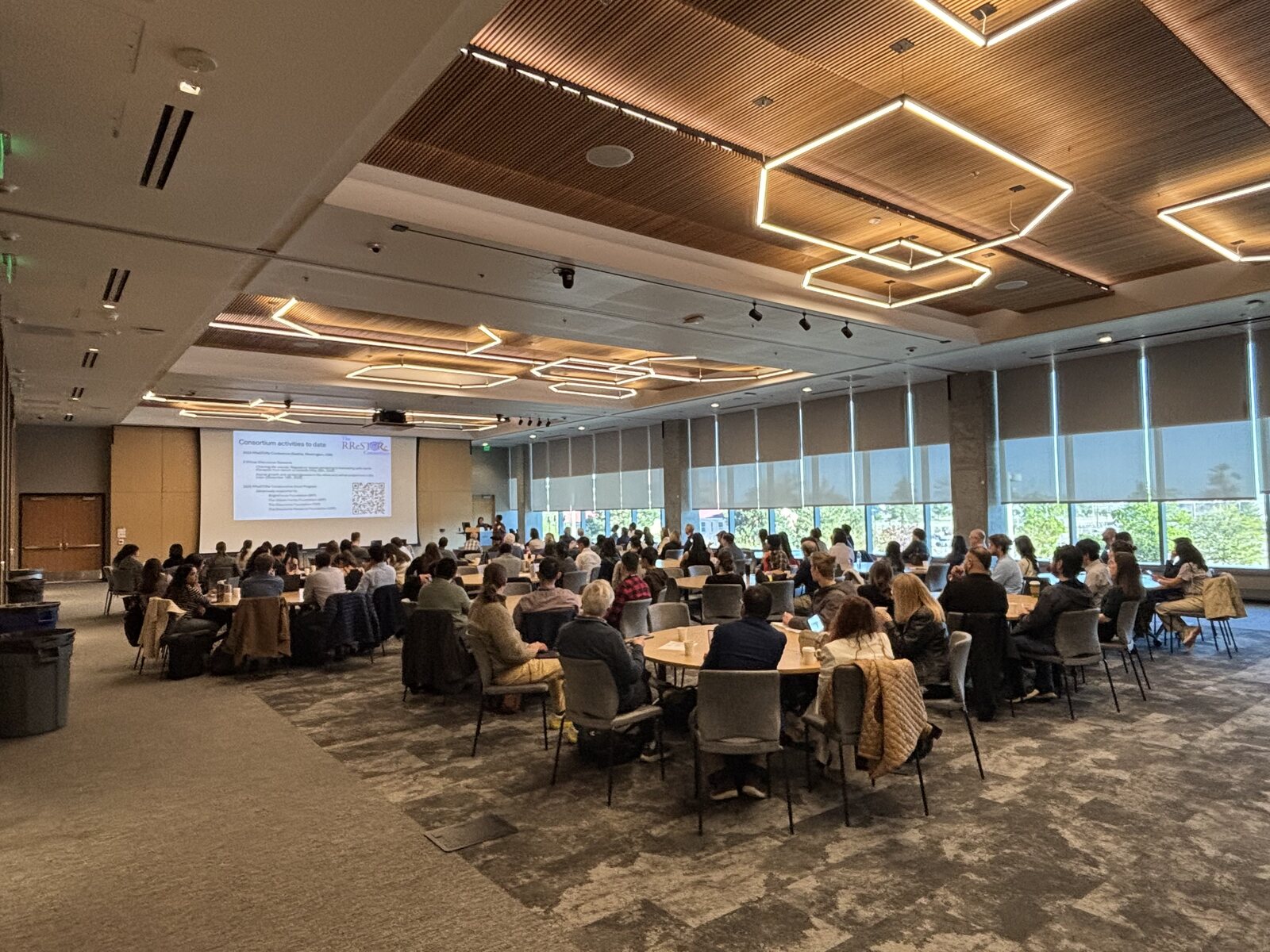
Five parallel break-out sessions ran twice through the day, each led by two members of the consortium. Discussions were deliberately not recorded, so that participants could speak freely.
Towards the Brain — How do we synthesize and combine approaches shown to regenerate endogenous RGC axons to the brain in a transplantation context, assuring synaptogenesis, function, and retinotopy?
Stop Working in Silos — How do we move from single gene manipulations to combinatorial approaches to augment RGC survival, axon regeneration, synaptogenesis, and subtype specification? How can we better leverage bioinformatics in this regard?
Learning from Others — How do we begin to synthesize approaches between neuroscientists, molecular biologists, biomedical engineers, and biotech companies? What is the roadmap towards first-in-human clinical trials?
Models of Disease — How can we leverage biomarkers and diverse models of optic neuropathy to better understand disease-specific challenges to RGC repopulation and severity stage-specific barriers to treatment?
Waste Not, Want Not — In silico, in vitro, or in vivo — when should we use an “organ on a chip” versus meaningful animal (including human) models of disease? Are there ways to combine these approaches with in silico therapeutic modeling?
IN PICTURES
Conference Highlights
The 2026 RReSTORe Consortium, Anschutz Health Sciences Building
A break-out session in progress
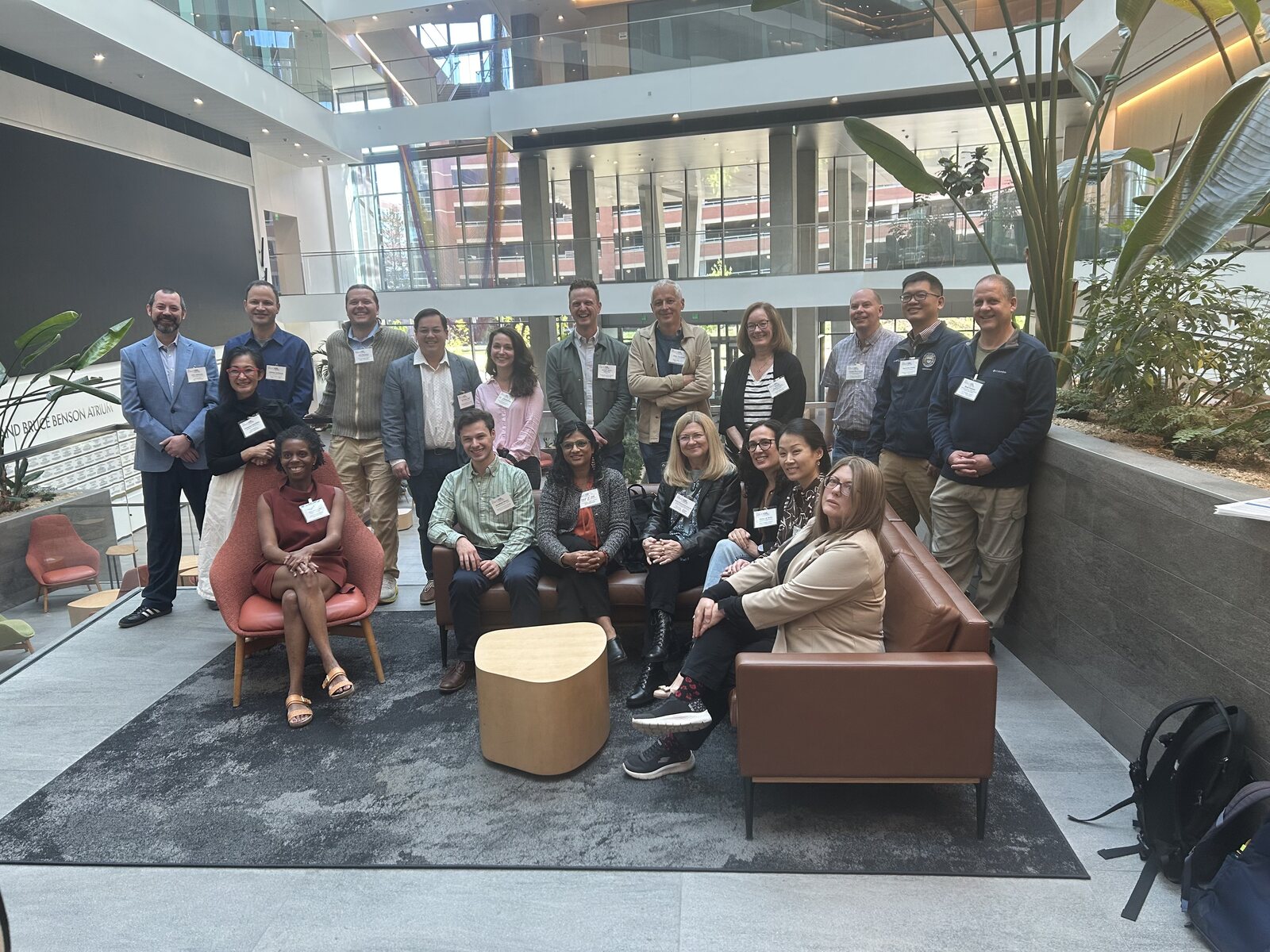
Members of the organizing committee and attendees in the atrium
Congratulations to the recipients of 2026 RReSTORe Consortium Travel Grants!